July 22, 2026
Paving is an essential aspect of infrastructure and property management, impacting everything from aesthetics to safety and maintenance costs. Understanding the intricacies of paving can lead to better decision-making for both residential and commercial projects. This article explores the critical elements of paving, offering insights into materials, techniques, and maintenance. With various materials available, such as asphalt, concrete, and more, selecting the right type is crucial for a successful project. Additionally, considering the environmental impact and cost implications can help ensure that decisions are sustainable and economically viable.
1. Types of Paving Materials
A. Asphalt
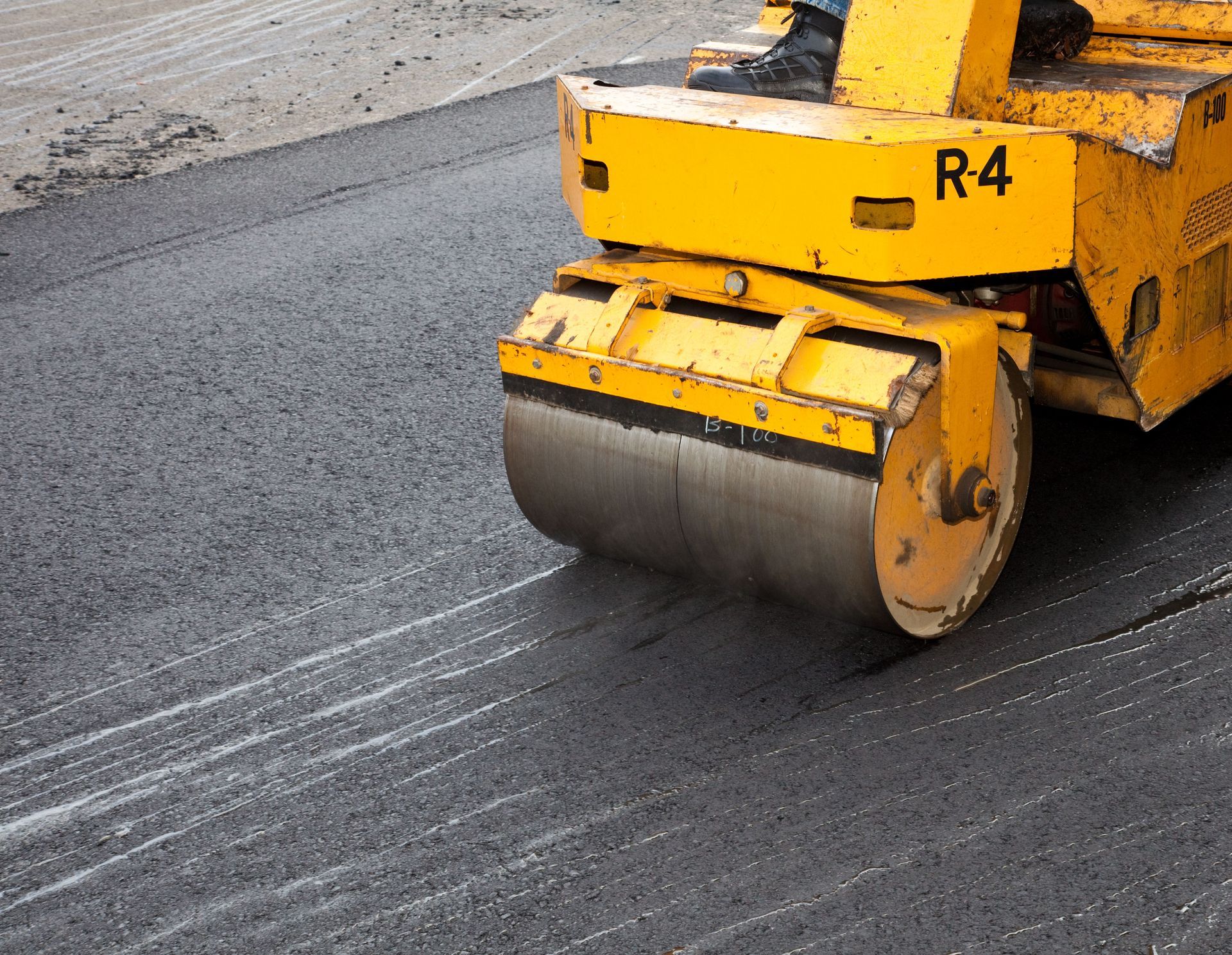
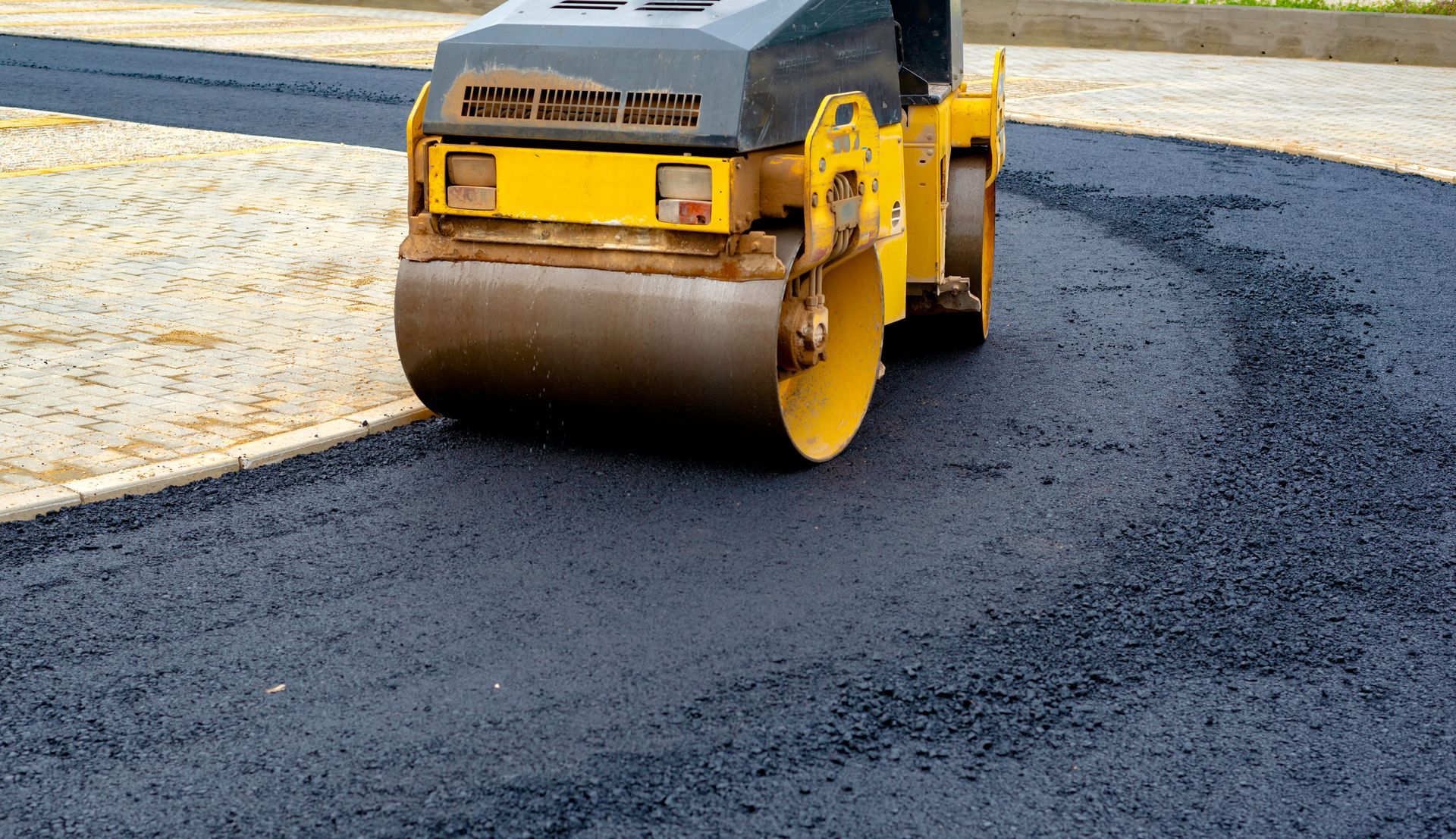
Asphalt is one of the most popular paving materials due to its cost-effectiveness and durability. It offers a smooth surface and can handle the seasonal temperature fluctuations common in many regions. However, asphalt requires regular maintenance, including sealing and repairs of cracks. According to HomeGuide, for residential driveways supporting typical vehicle traffic, a properly installed asphalt driveway should include 6 to 8 inches of compacted gravel base and 2 to 3 inches of compacted asphalt surface. Despite its need for maintenance, many favor asphalt for its quick installation process and ability to withstand heavy loads.
B. Concrete
Concrete is another widely used paving material known for its strength and longevity. Compared to asphalt, concrete offers a brighter, cleaner appearance and is often preferred in residential areas. The installation process is more labor-intensive and costly, but the durability often justifies the extra expense. Concrete surfaces are less prone to softening in the summer heat and require less frequent maintenance. This makes them a popular choice for areas that experience extreme weather conditions.
C. Brick
Brick paving has been used since ancient times and continues to be valued for its aesthetic appeal and durability. Modern applications often use brick for pathways, patios, and residential driveways, where visual charm is a priority. While bricks can be more expensive than other materials, their versatility in design makes them a luxury option for many projects. However, the installation requires skilled labor, which can add to the overall cost. Maintenance involves regular cleaning and replacing damaged bricks to maintain structural integrity and appearance.
D. Pavers
Pavers come in a wide variety of styles, colors, and materials, offering immense flexibility in design. They can mimic the appearance of natural stone, brick, or concrete, providing numerous options for customization. Paver systems allow for simple repairs, as individual pieces can be replaced if damaged. The installation process can be laborious, but the visual appeal and ease of access for repairs make pavers an attractive choice. Their ability to be arranged in various patterns enhances both residential and commercial landscaping aesthetics.
E. Gravel
Gravel is often chosen for its low cost and ease of maintenance, particularly in rural and suburban areas. It provides adequate surface drainage and is available in different sizes and colors to suit various landscape aesthetics. While it may not offer the smooth surface of asphalt or concrete, it is an economical choice for driveways and paths with lighter traffic. However, gravel may require periodic replenishment and maintenance to keep it in place. Despite this, gravel remains a popular option for properties aiming for a more rustic appeal with minimal investment.
2. Advantages of Paving
A. Improved Safety
Proper paving enhances road and pedestrian safety by providing a stable and even surface for travel. It reduces the risk of accidents caused by uneven terrains or loose materials. Additionally, marked pavements help delineate traffic lanes and pedestrian paths, improving overall traffic flow. Materials such as asphalt and concrete also offer excellent traction, reducing the risk of slips during wet conditions. By addressing potential hazards, paving contributes significantly to public safety and accessibility.
B. Increased Property Value
A well-executed paving project can significantly raise a property's market value by enhancing its curb appeal and functionality. It offers prospective buyers the assurance of reduced future maintenance costs and improved safety. Quality paving projects often present a refined and finished look that appeals to potential buyers and renters. In commercial real estate, the quality of parking areas and walkways can influence tenant decisions and, ultimately, rental rates. Hence, investing in paving is an investment in the property’s future marketability.
C. Aesthetic Appeal
Paving plays a crucial role in enhancing the visual appeal of both residential and commercial properties. Through strategic material choice and design, paving can transform outdoor spaces into visually appealing places. The use of colored pavers, patterned layouts, and borders can complement architectural styles, creating a harmonious landscape design. In urban settings, aesthetic improvements increase the quality of life and community engagement. Aesthetic paving solutions are an investment that pays off through greater enjoyment and increased property attraction.
D. Durability and Longevity
One of the prime advantages of quality paving is the durability and longevity it offers. Materials like concrete and asphalt, when properly installed and maintained, can withstand heavy traffic and environmental stresses. Techniques that involve proper base preparation and adequate layering contribute significantly to extending the lifespan of paved surfaces. For example, asphalt driveways, as mentioned earlier, benefit from a well-compacted base and surface layers to handle the weight of vehicles efficiently. Choosing durable materials reduces the frequency and cost of repairs and maintenance over time.
3. Paving Techniques
A. Surface Preparation
Surface preparation is a crucial step in ensuring the success and longevity of any paving project. It involves assessing and preparing the underlying ground to provide a stable base for the paving material. This includes removing loose debris, compacting the subgrade, and possibly installing geotextiles to prevent soil movement. The quality of preparation affects the durability of the final surface, helping to prevent future cracking and settlements. Proper preparation is particularly vital for high-traffic areas, where the demands on the paving are greatest.
B. Layering Strategies
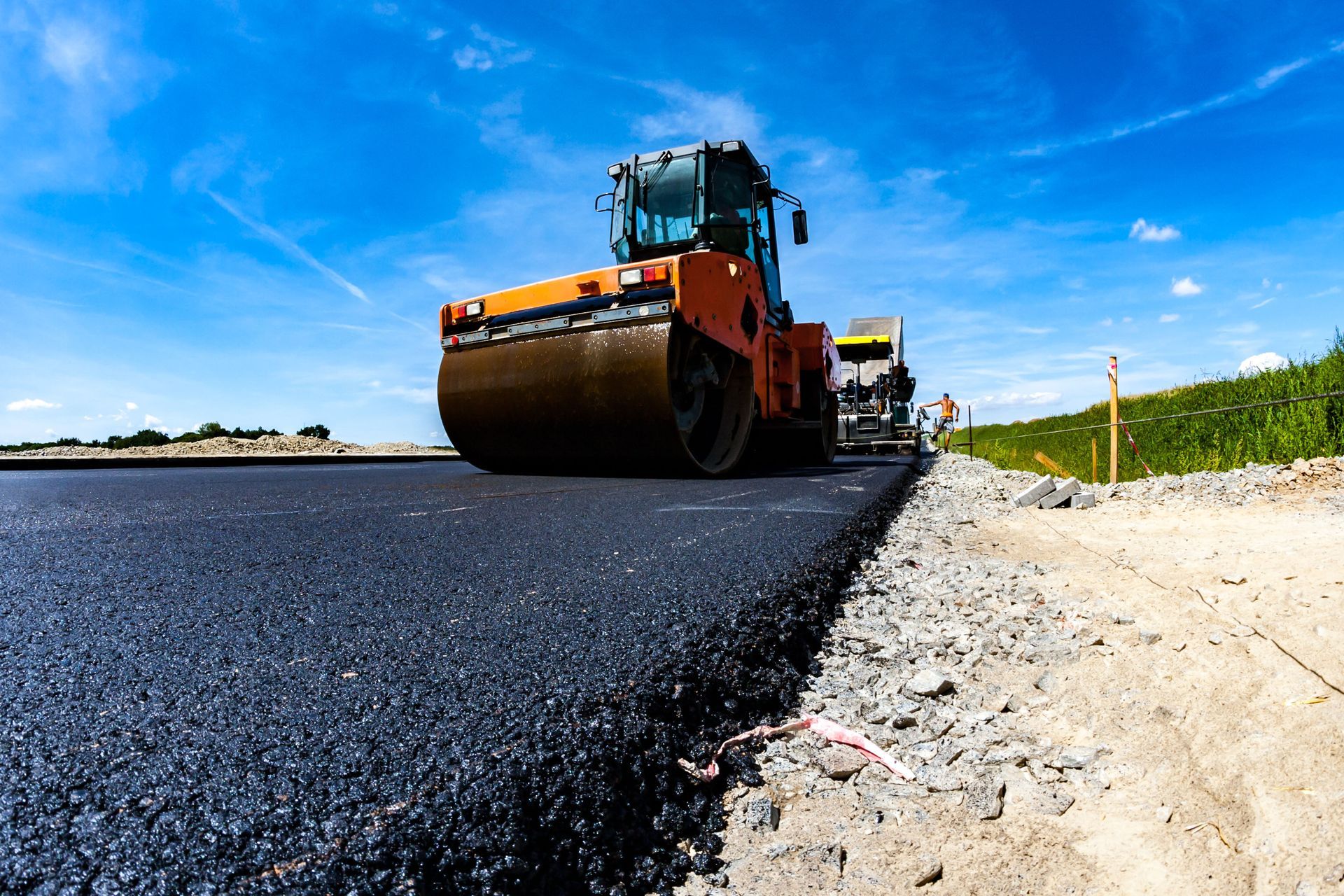
Layering involves building the paving surface in multiple stages, each serving a specific function. The base layer provides the main support, often comprising compacted aggregates that distribute weight and provide drainage. Successive layers, including binder and surface courses in the case of asphalt paving, build the final surface. Each layer is chosen for specific properties, such as load-bearing capacity or friction, to enhance the overall structure. Proper layering techniques contribute to both the immediate performance and the long-term durability of the pavement.
C. Sealing and Coating
Sealing and coating are essential for protecting paved surfaces from environmental and mechanical damage. These processes involve applying a protective layer over the surface to prevent water penetration and resist wear from traffic and weather. Regular sealing extends the life of materials like asphalt by protecting against rain, UV rays, and temperature changes. Additionally, coatings can restore the surface's appearance and improve traction, enhancing both aesthetic appeal and safety. Proper application and maintenance of seals and coats are vital to the longevity and performance of pavement.
D. Edge Restraints
Edge restraints are crucial components that help maintain the shape and integrity of paved areas. They prevent the lateral movement and spreading of materials, ensuring the structure remains stable over time. Without proper edge restraints, paved materials such as pavers or bricks can shift, leading to uneven surfaces and potential gaps. Suitable restraints, including concrete curbs or metal edges, should be installed depending on the paving material and site conditions. Edge stability is fundamental to ensuring the pavement performs as intended and maintains its visual appeal.
Paving is a multifaceted field with numerous considerations spanning material choice, cost, environmental impacts, and maintenance. By understanding these elements, property owners and planners can make informed decisions that lead to safer, more beautiful, and sustainable paved surfaces. Whether opting for traditional materials like concrete and asphalt or exploring eco-friendly alternatives, the right choice will depend on project-specific needs and goals. Awareness of the environmental impact, proper planning, and maintenance further contribute to the long-term success of paving projects. Ultimately, well-planned and executed paving improves both the utility and appearance of developed spaces. Reach out to County Hill Paving & Excavation today to see how we can help you!